Review · News Desk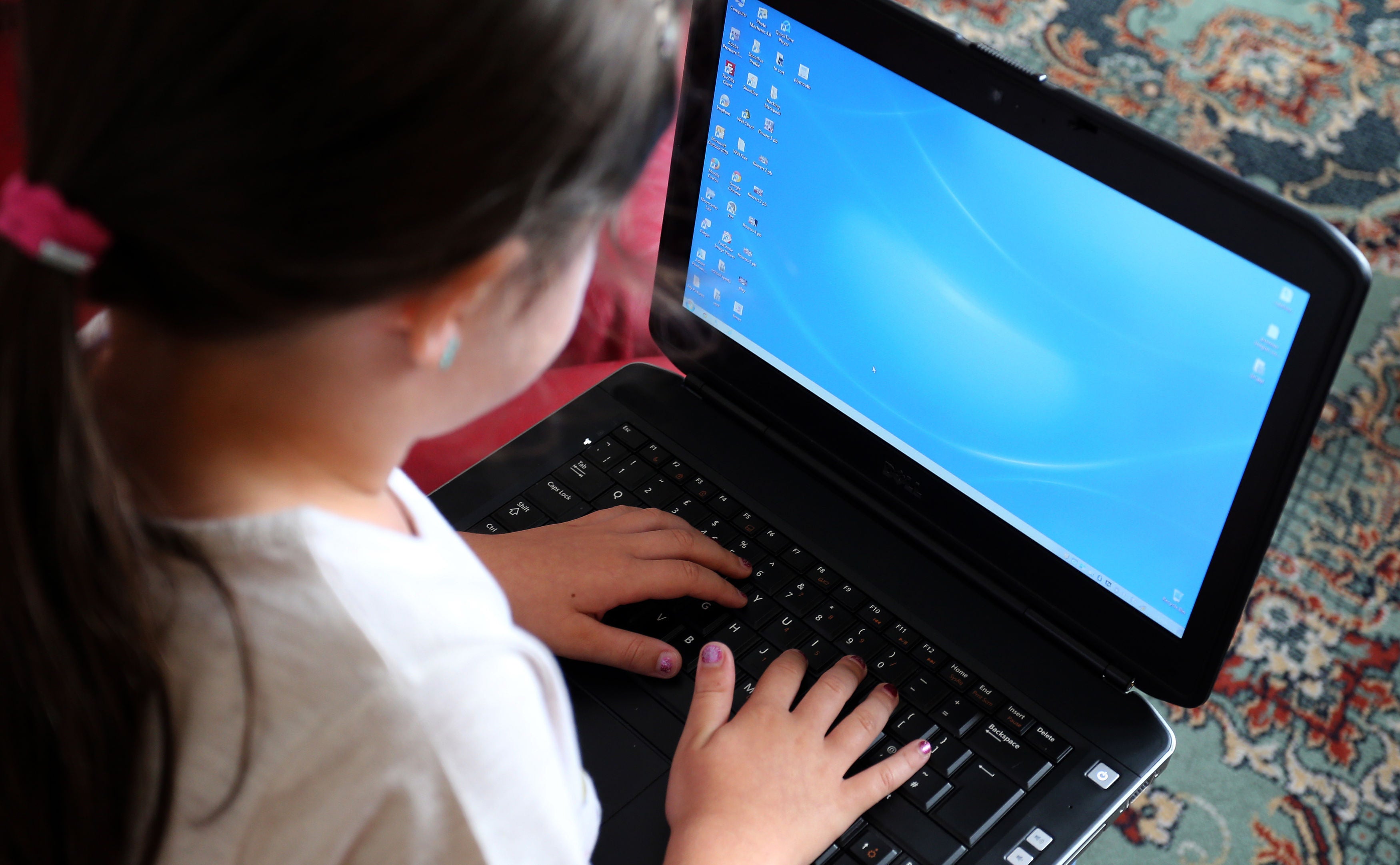
Medical professionals have warned of a rise in children suffering skin reactions from resting electronic devices against bare skin. This condition, known as erythema ab igne (EAI), or toasted skin syndrome, was recently diagnosed in a pre-teen boy after he kept a laptop on his stomach for up to eight hours daily. EAI causes a net-like rash due to prolonged exposure to low-level heat, typically seen in adults using hot water bottles or heating pads.
However, it is increasingly common among children using digital gadgets, especially during home schooling. Dr Mara Znagoveanu of University Hospitals of Leicester NHS Trust reported the case in BMJ Case Reports. The boy initially presented with spontaneous bruising in the children’s emergency department, but no trauma, fever, or weight loss was detected.
Normal scans and blood tests led to his discharge. Two weeks later, the rash worsened, becoming tender and peeling. The boy was eventually diagnosed with EAI after revealing he rested the laptop on his stomach while it was charging.
Dr Znagoveanu emphasized that EAI in children may be overlooked, particularly when the heat source is less obvious than traditional sources like hot water bottles. She noted that early recognition through targeted history-taking can prevent misdiagnosis and unnecessary investigations. EAI is usually reversible, with the rash improving over weeks to months once the heat source is removed.
However, in some cases, it can lead to persistent hyper-pigmentation. The case highlights the importance of considering EAI in children presenting with reticulated rashes, especially with increasing electronic device use. Dr Znagoveanu also mentioned that there are currently no formal paediatric guidelines for EAI, and diagnosis remains clinical, based on history and characteristic findings.
The boy’s father later reported that the rash had eventually disappeared, though this was confirmed via telephone call due to the lack of in-person follow-up.
Source: The Independent